IFC Reviews 2026
Film criticism through an Indigenous lens.
Critically Indigenous features reviews and critical commentary by fellows of the Indigenous Film Criticism Fellowship. The program nurtures emerging Indigenous writers through active participation in international film festivals and dedicated writing residencies.
Presented in partnership with:
• Curating Indigenous Circumpolar Cultural Sovereignty (York University) • Banff Centre for Arts and Creativity •
• imagineNATIVE Film + Media Arts Festival • Arctic Indigenous Film Fund •

Review of In the Heart of the South by Melissa Chá Sontay (Maya Poqomchi)
“From its opening moments, In the Heart of the South places Yura somewhere between being seen and being defined. Her face appears before us as part of an artistic project that asks the viewer to experience both the position of the oppressor and the victim.“
Review of the In the Heart of the South by Bryan Kamaoli Kuwada (Kanaka ʻŌiwi)
“Don’t buy a ticket to Inuk director Nyla Innuksuk’s In the Heart of the South. Buy two. Not because you should bring someone else with you to discuss it and argue about it and laugh over it after (though you should) but because you are going to want to watch this electrifying film again.“
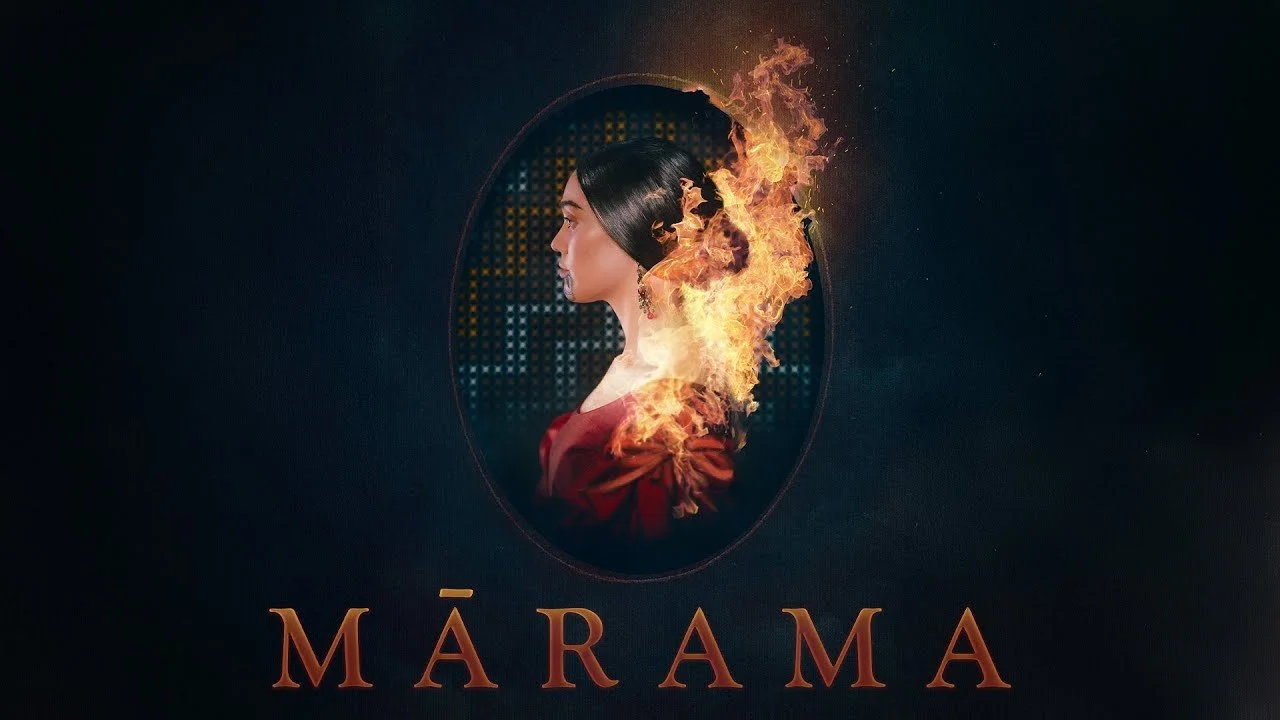
Review of Mārama by Ninah Hermiston (Ojibwe, Mohawk and Potawatomi)
“After premiering at TIFF in 2025 and taking home imagineNATIVE’s 2026 Best Dramatic Feature award, alongside Ariāna Osborne’s Outstanding Performance in a Feature win, Mārama arrives with all the ingredients of a classic Gothic tale.“
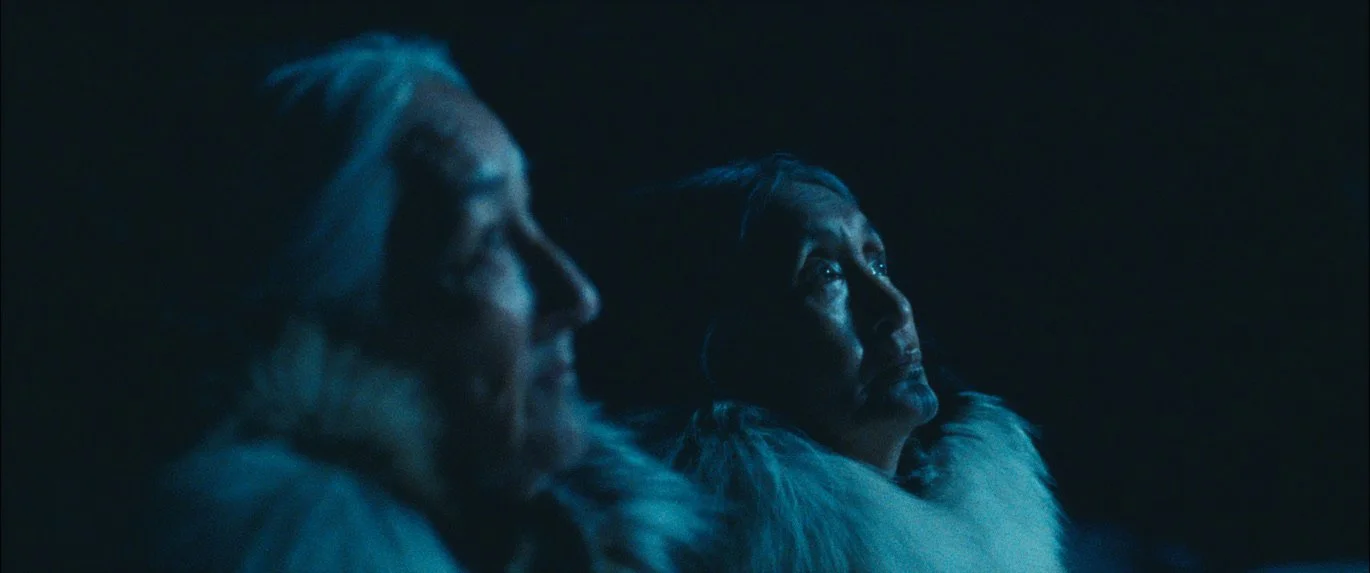
Review of Shaaghan Neekwaii (Two Old Women) by Melissa Chá Sontay (Maya Poqomchi)
“During a time of scarcity, two Gwich’in Elder women are left behind by their community, seemingly reduced to a harsh calculation of survival. Yet the film quickly reveals that this decision, while devastating, is not its true subject.“
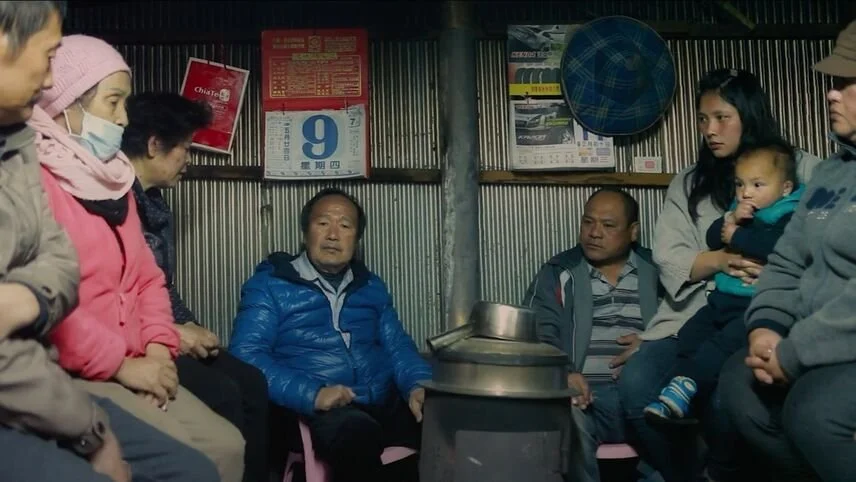
Review of Spi by Sonja Hammer (Ngāti Kahungunu, Kuki Airani)
“The Indigenous Tayal people of Taiwan, have for so long been without a voice in documentary cinema storytelling, but Spi by Siyun Simung is changing that. This is a documentary of personal action, determination and familial reconnection.“

Review of Mãrama by Sonja Hammer (Ngāti Kahungunu, Kuki Airani)
“Mary Stevens arrives in England on a quest to find out who she really is, her paternity, her racial identity. Seeking knowledge of such things in the 1850s by a woman is hard, but to be a colonised Maori woman on top of that is even more daunting.“

Review of Mãrama by Bryan Kamaoli Kuwada (Kanaka ʻŌiwi)
“There is a stone heart beating at the core of Taratoa Stappard’s brave and stunning debut feature Mārama. In this layered and complex period thriller, Mārama, a young Māori woman in 1859 (brilliantly portrayed by Ariāna Osborne), is 11,000 miles from home, searching for answers about her family in England.“
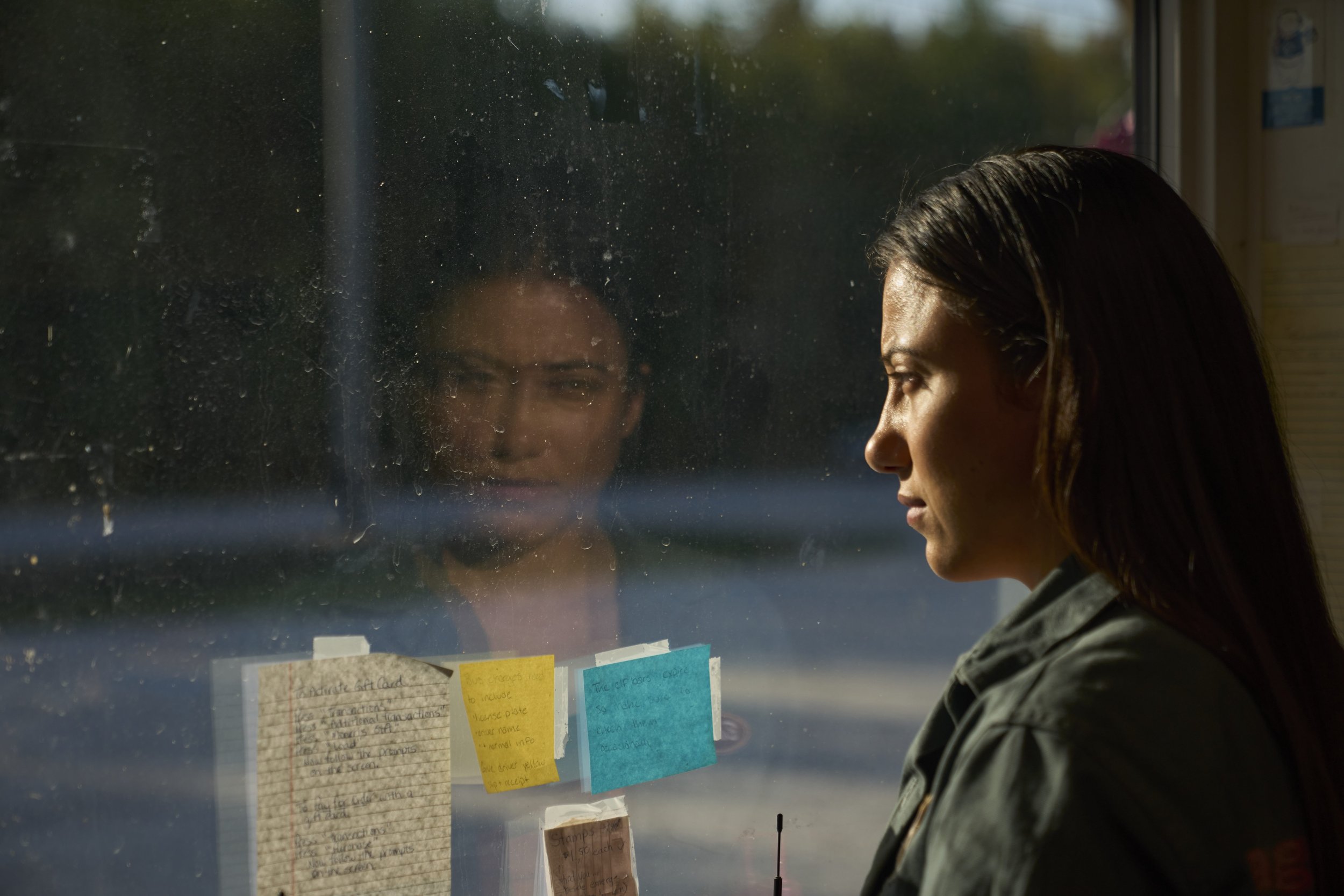
Review of Blood Lines by Radio-JusSunná / Sunna Nousuniemi (Sami)
“Blood Lines portrays a sapphic, heightened reality rooted in deep love for the Métis culture, language and identity.“
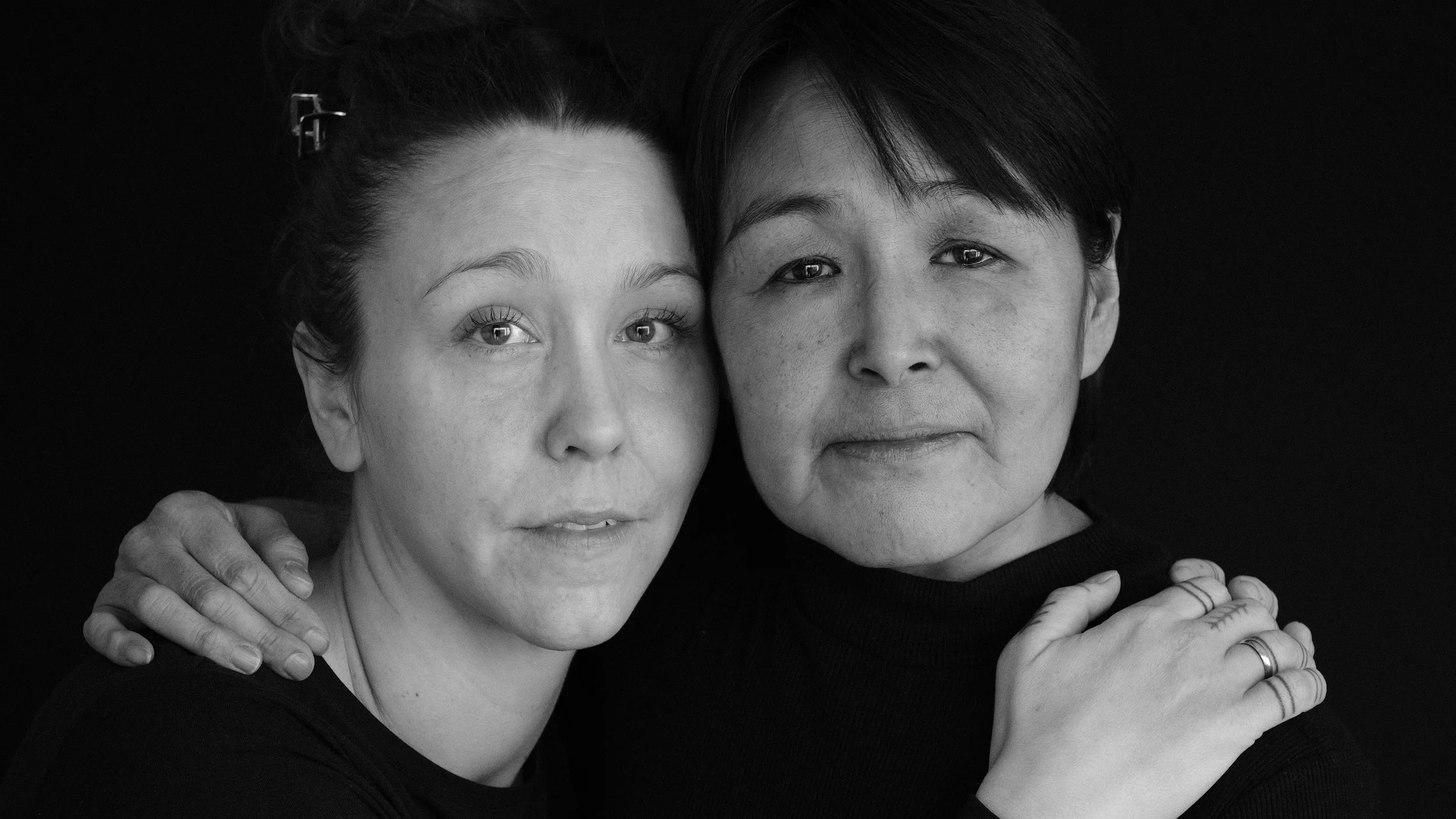
Review of Walls - Akinni Inuk by Radio-JusSunná / Sunna Nousuniemi (Sami)
“Walls - Akinni Inuk is a subversive feature documentary which delves into the carceral system in Kalaallit Nunaat, which is under Danish administration. The film explores the themes of justice, empathy and intergenerational healing.“
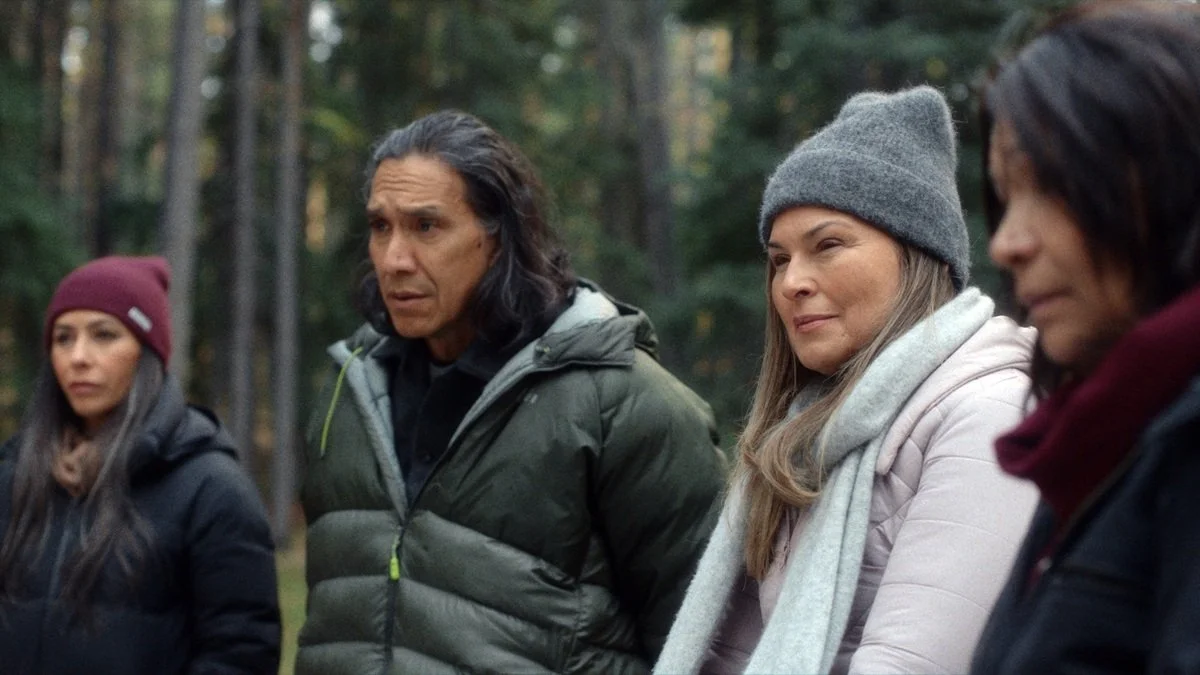
Review of Meadowlarks by Bryan Kamaoli Kuwada (Kanaka ʻŌiwi)
“Meadowlarks, Cree filmmaker Tasha Hubbard’s first narrative feature, is a powerfully affecting film full of echoes and silences. Four Cree siblings meet for the first time since they were torn apart by the Sixties Scoop and try to forge familial bonds over a long weekend in Banff.“
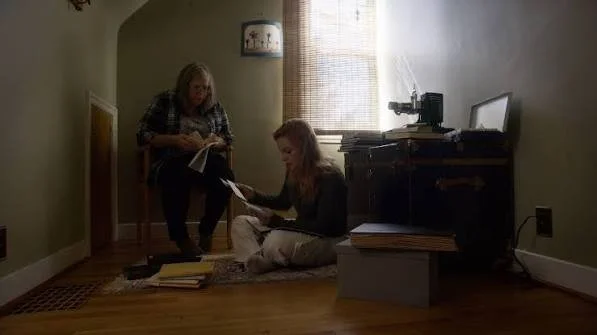
Review of What We Carry by Cameron Watts (Tseshaht)
“What We Carry refuses the easy road. Instead the film embraces its mission to better understand and connect with one another as a sacred responsibility. The Direction Jessie takes What We Carry leads to some of the most meaningful efforts witnessed to repair the interpersonal relationships between Canadians and Indigenous people.“