Review of Mārama by Ninah Hermiston (Ojibwe, Mohawk and Potawatomi)
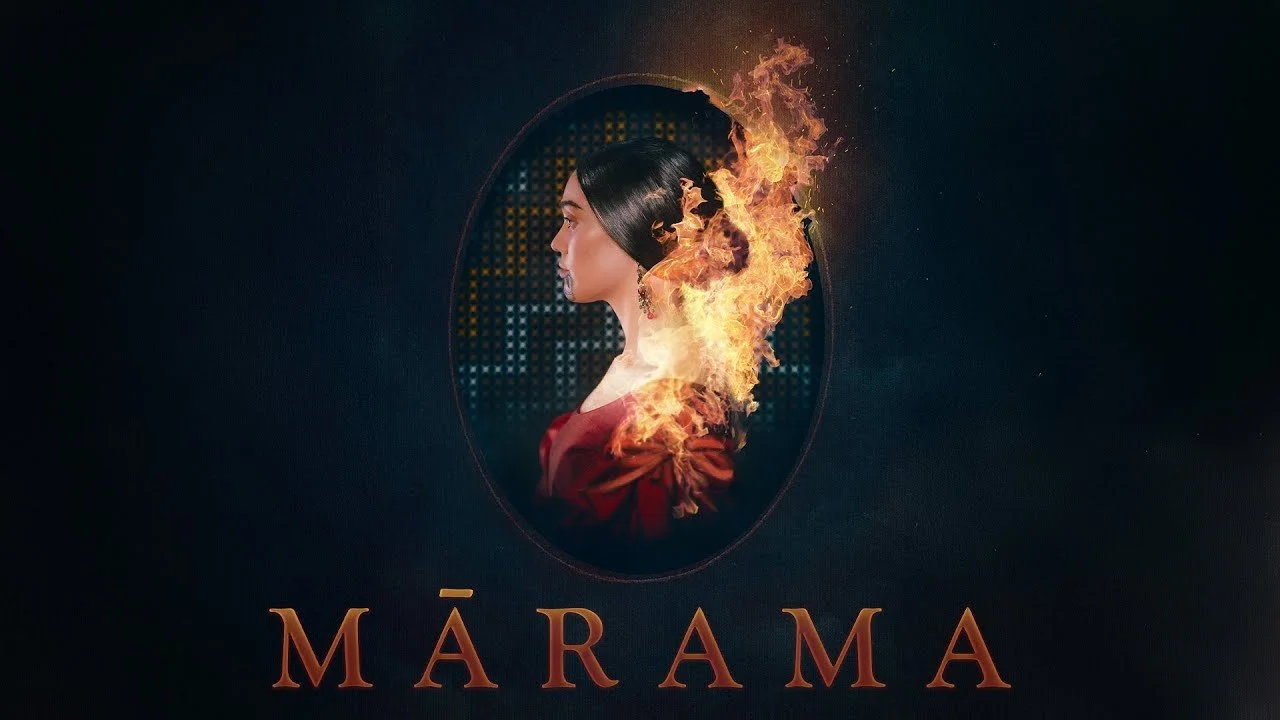
Mārama | Directed by Taratoa Stappard (Ngāti Raukawa, Ngāti Toa, Ngāti Tūwharetoa)
AOTEAROA NEW ZEALAND | 2025 | 89M | ENGLISH, MĀORI
After premiering at TIFF in 2025 and taking home imagineNATIVE’s 2026 Best Dramatic Feature award, alongside Ariāna Osborne’s Outstanding Performance in a Feature win, Mārama arrives with all the ingredients of a classic Gothic tale.
Hidden histories, sprawling estates and family secrets are all here, but Māori filmmaker Taratoa Stappard uses them to tell a story that feels refreshingly different. The film follows a young Māori woman searching for answers about her family and ancestry. What unfolds is a haunting Gothic mystery filled with ancestral presences, buried histories and colonial violence. Yet what struck me most about Mārama is that, unlike many traditional Gothic heroines, its protagonist is never defined by her vulnerability. In many classic Gothic stories, particularly those centred on white women, the heroine begins powerless before slowly discovering her strength, often through a romance with a mysterious man. Mārama arrives with hers intact. She enters the story already connected to her culture, already carrying gifts inherited from the women who came before her and already suspicious of those who claim to know more than she does. The narrative does not transform her so much as affirm what she has known all along. That distinction feels important because Mārama is ultimately a film about inheritance. But rather than focusing on property, wealth or bloodlines, the film asks what it means to inherit culture, memory and responsibility.
In many ways, it also reimagines the central romance of the Gothic genre. While traditional Gothic stories often hinge on relationships between men and women, the deepest love story in Mārama exists between mothers, daughters, sisters, grandmothers and ancestors whose presence continues to shape the living long after they are gone. This stands in stark contrast to the film’s colonial figures, whose relationship to Māori culture is rooted not in kinship but possession. Throughout the film there is a recurring tension between connection and ownership. The desire to preserve, collect and understand gradually reveals itself as something far more unsettling. What begins as fascination starts to look a lot like control.
Mārama repeatedly returns to a question that feels as relevant today as it does within the Gothic genre itself: what is the difference between caring for something and believing you own it? The film suggests that colonization is not always expressed through open hostility. Sometimes it emerges through fascination, through the desire to possess something beautiful while stripping it of its autonomy.
By the film’s conclusion, Mārama becomes a story of reclamation. Not simply of family, but of culture, history and identity. The result is a Gothic film that feels both familiar and refreshingly original, one where the most enduring romance is not between lovers, but between a woman and the lineage that refuses to let her disappear.
Review by Ninah Hermiston (Ojibwe, Mohawk and Potawatomi)
