Review of Shaaghan Neekwaii (Two Old Women) by Melissa Chá Sontay (Maya Poqomchi)
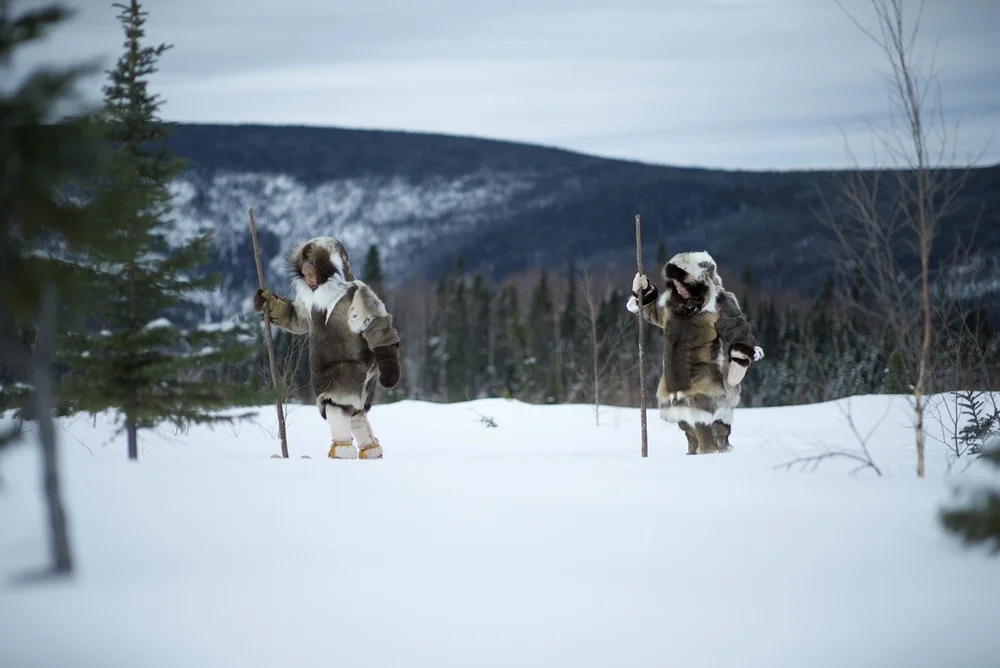
Shaaghan Neekwaii (Two Old Women) | Directed by Princess Daazhraii Johnson (Neets'aii Gwich'in)
UNITED STATES | 2026 | 14 MIN | GWICH'IN
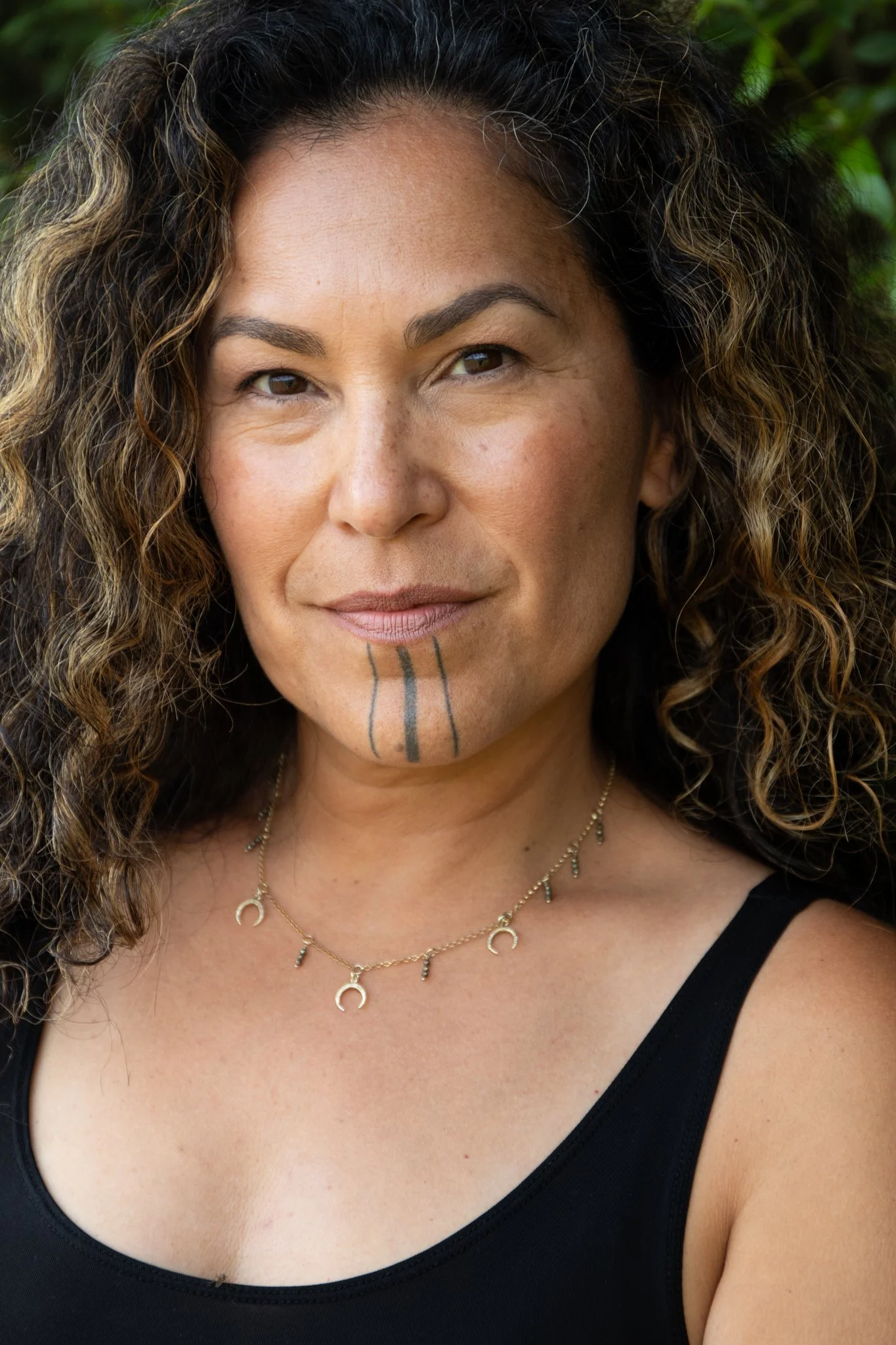
Princess Daazhraii Johnson (director)
Princess Daazhraii Johnson’s Shaaghan Neekwaii – Two Old Women begins with an act of abandonment. During a time of scarcity, two Gwich’in Elder women are left behind by their community, seemingly reduced to a harsh calculation of survival. Yet the film quickly reveals that this decision, while devastating, is not its true subject. Rather than dwelling on betrayal, Johnson crafts a story that asks a more unsettling question: how much of our lives is shaped by the roles we inherit, and what happens when those roles begin to fall away?
At first, the women appear weighed down not only by their circumstances, but by their own understanding of who they have become. Age, in Two Old Women, is not treated as a biological condition so much as a habit of thought. Through conversations that are at once humorous, painful, and deeply reflective, the women begin to confront a difficult possibility: how much of what they believe about old age actually belongs to them, and how much has simply been accepted over time?
What struck me most was how the film approaches older women. Too often, mothers, grandmothers, and Elders are framed through the roles they have fulfilled for others. We celebrate their wisdom, depend on their care, and honor their sacrifices, yet rarely consider them as people whose lives remain unfinished and unpredictable. Familiarity can flatten complexity. A person becomes the role they occupy rather than the possibilities they still contain.
Two Old Women resists that tendency. Its protagonists are neither idealized nor reduced to symbols of resilience. They are stubborn, frightened, humorous, vulnerable, and deeply alive. Their journey is not presented as a quest to prove their worth to those who abandoned them. Instead, the film gradually shifts attention toward something more intimate: the rediscovery of capacities they had stopped expecting from themselves.
What follows expands the story beyond its initial conflict. The women’s greatest challenge is not simply surviving the land around them, but confronting the quiet resignation that has settled into their understanding of who they are. Johnson treats this transformation with remarkable patience, allowing moments of conversation, silence, and companionship to carry as much weight as physical endurance. The film’s most profound struggle may not be against hunger or isolation, but against the belief that life has already asked everything it intends to ask of you.
By the film’s final movement, questions of usefulness, belonging, and social value no longer feel sufficient to contain the women’s lives. What remains is the sense that human beings cannot be fully reduced to the expectations placed upon them, whether by a community or by themselves.
Two Old Women ultimately leaves behind the question that first set its story in motion. What begins as a tale of abandonment gradually becomes an inquiry into possibility. What remains of a person once they stop measuring themselves by what they can no longer do? And if that measure can be abandoned, what else might still become possible?
Review by Melissa Chá Sontay (Maya Poqomchi)
