Review of Spi by Sonja Hammer (Ngāti Kahungunu, Kuki Airani)
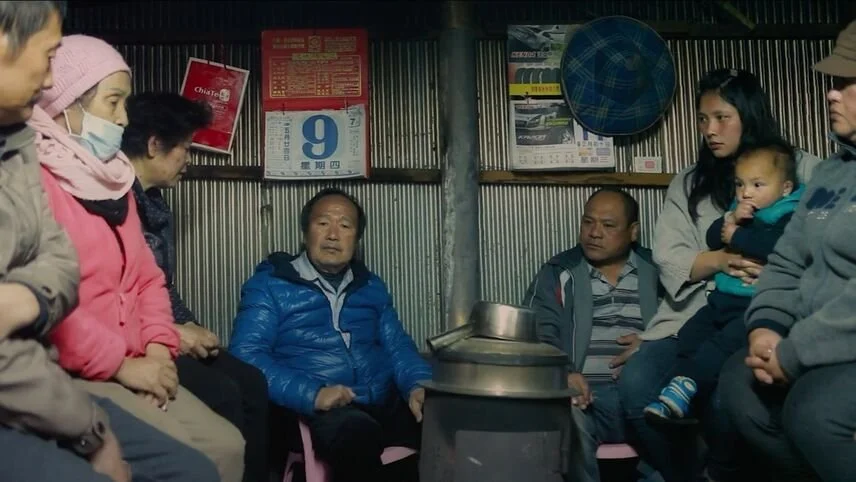
Spi | Directed by Siyun Simung (Atayal)
TAIWAN | 2025 | 98M | ATAYAL, MANDARIN
The Indigenous Tayal people of Taiwan, have for so long been without a voice in documentary cinema storytelling, but Spi by Siyun Simung is changing that. This is a documentary of personal action, determination and familial reconnection.
Siyun’s Grandpa Wilung has passed, his wife and the filmmaker's grandma are left behind to deal with the loss and grief. Grandma Yabay deals daily by keeping the tradition of the open hearth of the fire lodge, keeping the fire burning for family, she weaves, gardens, cooks and feeds those relatives who visit from time to time.
After he passed, the director’s grandfather appears to have not passed on many of those original placenames where he use to hunt, so it is with limited access they try to build back (reclaim) those long lost names. With little to go on, the director navigates the challenging terrain of the memories of elders, gleaning from them remembered places and place names - indigenous ones. With her project of building a 3D map, Siyun attempts to set down those names in the landscape as a record for the future. The geography of reclamation has challenges within itself, but the triggering of memory of family members facilitates this reclamation. It is so poignant and heart warming to see how the interactions of generations have a profound effect on the community.
The grandfather appears in the director’s dreams - echoing the name of the film “to dream” or Spi in the Tayal native tongue, also we are reminded that Mandarin is still the dominant language of Taiwan and so fighting the “legacies of colonial disruption”. With linguistic ties to Oceania, the Tayal tongue has had its share of loss and endangerment as Chinese colonizers have taken their pound of flesh, so to speak. Siyun’s film shows how the reintroduction of ancient placenames and the renaissance of Tayal traditions can heal a community who have lost a vital clan member like her grandfather.
A sub-story within the film is of the relationship between the grandma and one of the director's cousins. A tone of shame by the grandmother blocks her relationship with the newborn child of her granddaughter (is the grandmother calling on Gaga the Tayal’s code of ethics, traditional indigenous values, or is it something else?). The action of denial by the grandmother is heartbreaking as we see the phone hangups the granddaughter endures, but like any family, oftentimes more so with Indigenous ones, over time hope is built with trust. The Tayal world portrayed is definitely not a linear experience, ancestors contacting from beyond through dreams is a given in their culture and daily decisions as well as long term ones can all pivot from these visions .
This film’s poignancy and its true to life family drama is one of reclamation and the acceptance of the existence of an interstellar ancestral world. Siyun Simung’s story is so personal, she lets us into her family's world, yet it also has the indelible recognisable traits of a global First Nations story.
Review by Sonja Hammer (Ngāti Kahungunu, Kuki Airani)
