Review of Walls - Akinni Inuk by Radio-JusSunná / Sunna Nousuniemi (Sami)
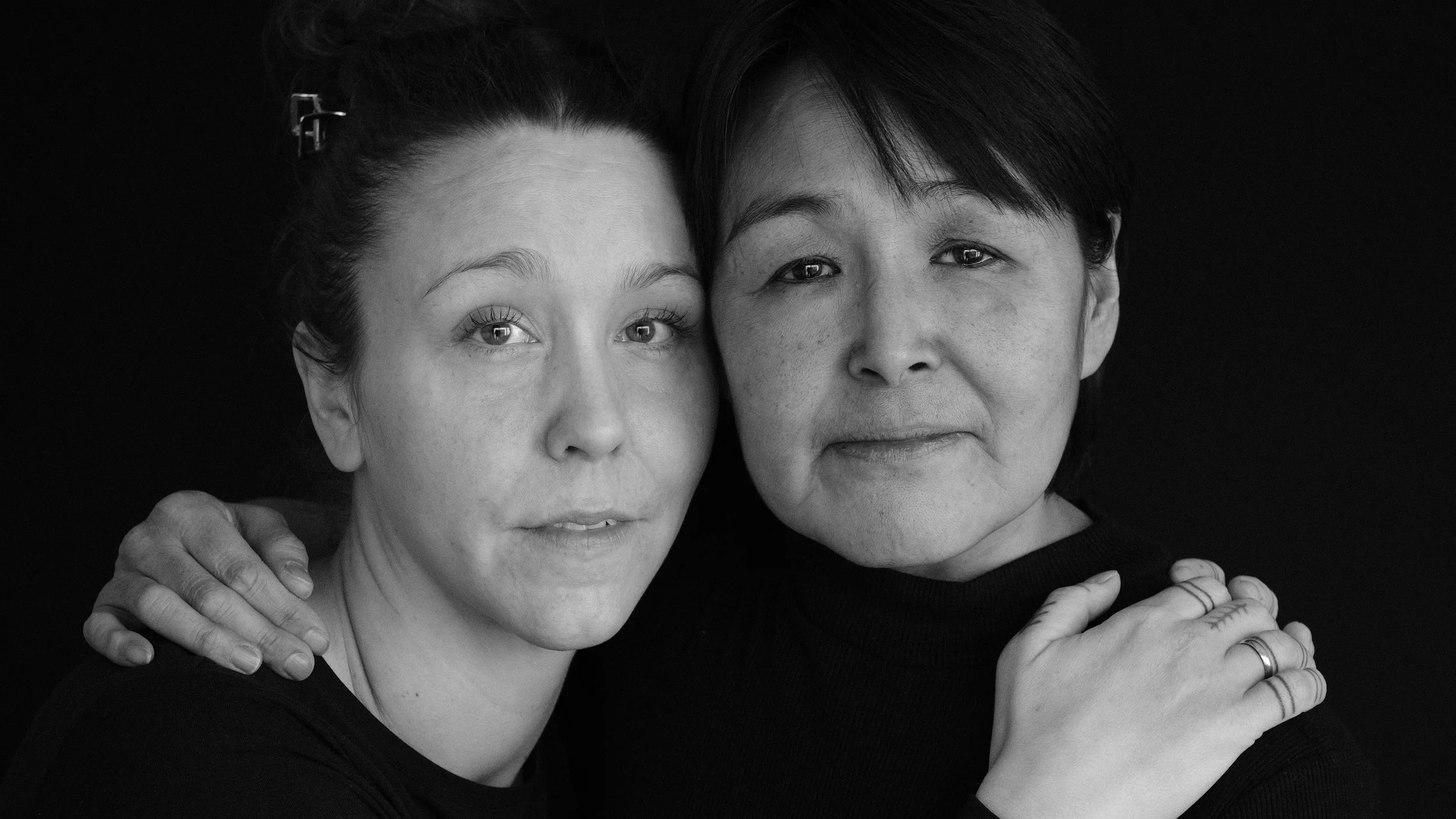
Walls - Akinni Inuk | Directed by Sofie Rørdam and Nina Paninnguaq Skydsbjerg (Inuk)
GREENLAND | 2025 | 75M | KALAALLISUT, DANISH
Walls - Akinni Inuk is a subversive feature documentary which delves into the carceral system in Kalaallit Nunaat, which is under Danish administration. The film explores the themes of justice, empathy and intergenerational healing. The film begins with contrasting environments colliding: first we are introduced to slightly pixelated video journals, shot hand-held with a smartphone - an insider’s view of barbed-wire fences surrounding an indoor yard where a group of concentrated but cheerful people are playing table football. From within a prison environment, the footage merges into more stylized imagery of frozen landscapes of Kalaallit Nunaat with colorful wooden houses and apartment buildings being immersed by the Arctic ocean and gigantic mountains. By blending conventional documentary footage with smartphone recordings, the film brings us into two distinct, lived realities of the same world.
The film’s narrative opens with quiet, written introductory text, starting with a line noting that Kalaallit Nunaat has the lowest population density in the world. This piece of information creates an understanding that the story takes place in a very closely-knit community where each individual and their wellbeing is intricately interconnected. The film follows two protagonists, Ruth and Nina, who form an unlikely bond in connection of a film project which seeks to understand the daily life of incarcerated individuals. Ruth is a mother, who has been imprisoned nine years without a set release date. Nina is a filmmaker who is curious to find answers to what are the chain of events that lead to incarceration. When Nina’s mother suddenly passes away, her grief becomes so alienating that only place where she can find connection is through visiting Ruth.
Through intimate and raw conversations, it becomes apparent that both, Ruth and Nina, have been subjugated to immense pain and injustice which have heavily altered their lives. Together, they create a place of vulnerability that holds space for addressing the unvoiced anger and as well as for sharing heart-to-heart conversations about their innermost hopes and dreams relating to mothers and motherhood.
The film serves a powerful demonstration how the revolution lies within our daily interpersonal relationships. As Ruth and Nina work on to resolving Ruth’s unjust prison sentence, the film reveals the nuanced reality of how unaddressed gender-based violence and femicide can manifest as desperate attempts of putting an end to the violence.
The primary story in the documentary also connects to a broader societal critique in which Inuit women are systemically targeted by the institutions and authorities that claim to protect them. In the recent years, Inuit mothers across Kalaallit Nunaat and Denmark have risen to international attention for standing against the so called FKU parenting competency tests, which are used to justify separating Inuit children from their parents.
Ruth and Nina’s relationship offers a glimpse to what rematriation and self-governance look like together: how these are rooted in deep listening, spiritual responsibility to one another, and restoring balance and the wholeness of the community.
Walls - Akinni Inuk is an urgent testimony that invites us all to honor and protect the matrilineal bonds, deconstruct oppressive structures and look at the world with love.
Review by Radio-JusSunná / Sunna Nousuniemi (Sámi)
